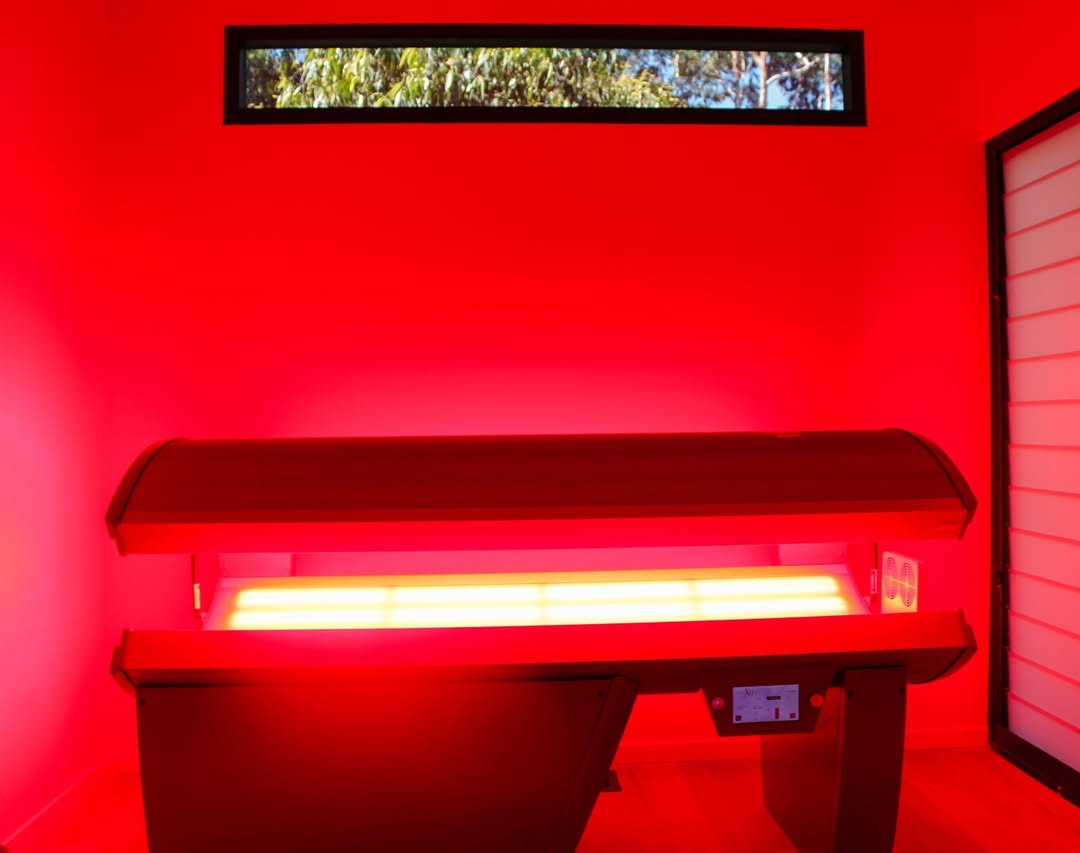
In recent years, red light therapy has emerged as a groundbreaking modality in the world of performance enhancement and recovery. This non-invasive treatment uses low-wavelength red light to stimulate cellular function, promoting healing and reducing inflammation. Athletes, trainers, and fitness enthusiasts are increasingly incorporating this innovative therapy into their routines to improve performance, accelerate recovery times, and ultimately achieve their fitness goals. With its intriguing promise and growing body of research, red light therapy presents a compelling option for those looking to enhance their physical capabilities.
Beyond the gym, red light therapy offers a range of benefits that extend to overall wellness and vitality. From improved muscle recovery to enhanced endurance and strength, the potential applications are extensive. As more athletes and fitness professionals turn to this therapy, understanding its mechanisms and benefits becomes essential for anyone interested in maximizing their performance. In this article, we will delve into the science of red light therapy, exploring how it works, its effects on the body, and practical tips for integrating it into your performance regimen.
How Red Light Therapy Works
Red light therapy operates through the principle of photobiomodulation, where low-wavelength light penetrates the skin to affect cellular processes. This exposure stimulates mitochondria, the powerhouse of cells, enhancing ATP production and thereby facilitating energy transfer within the body. As a result, users may experience increased metabolic activity, improved blood circulation, and reduced oxidative stress. Consequently, red light therapy can aid in lessening muscle soreness, accelerating recovery from injuries, and promoting faster heal times after intense workouts. By incorporating Red Light Therapy For Performance into their routines, athletes can leverage these cellular benefits for optimized performance.
Benefits Beyond Athletic Performance
Aside from its advantages in athletic recovery, red light therapy also offers an array of benefits for overall health and wellness. Regular sessions can lead to improved skin tone and texture, reduced visible signs of aging, and enhanced mood through increased circulation and reduced inflammation. Furthermore, the therapy can assist with better sleep quality by regulating circadian rhythms, which is crucial for recovery and performance. As more people discover these non-invasive benefits, red light therapy is positioned not just as a tool for athletes but as a holistic approach to enhancing life quality for everyone.
In conclusion, red light therapy is rapidly becoming a vital component in the realm of performance enhancement, appealing not only to athletes but also to anyone seeking a holistic boost to their health and wellness. By harnessing the power of photobiomodulation, this innovative therapy provides a natural way to energize cells, accelerate recovery, and improve overall physical capabilities. As research continues to uncover the extensive benefits of red light therapy, its integration into both athletic training and daily wellness routines is poised to grow. Embracing this technology could help individuals not only achieve their performance goals but also enhance their quality of life, making red light therapy a promising frontier in the journey toward optimal health and enhanced physical performance.